Understanding the psychological triggers that drive gambling behavior
The Allure of Gambling: A Psychological Perspective
Gambling has long captivated human interest, offering both thrill and risk. Psychologically, this attraction is often rooted in the concepts of excitement and unpredictability. The anticipation of a win can trigger the brain’s reward system, releasing dopamine and creating feelings of euphoria. This neurochemical response helps explain why many individuals are drawn to gambling, often seeking repeated experiences of exhilaration, despite the inherent risks involved. If you’re interested in exploring more, consider visiting https://spindogcasinos-uk.com for exciting gaming opportunities.
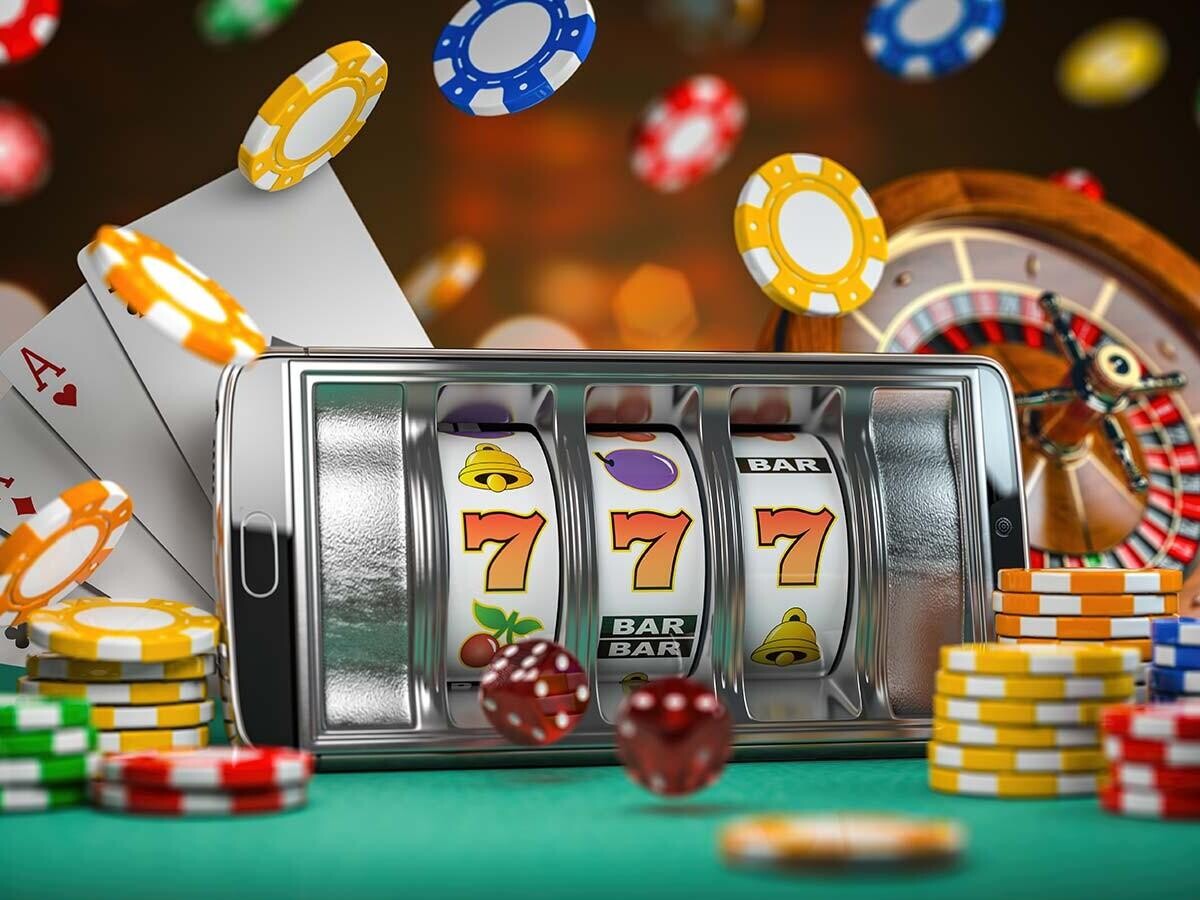
Furthermore, gambling serves as an escape from daily pressures and routine. Many individuals find solace in the immersive environment of casinos or online platforms, temporarily distancing themselves from stressors. This psychological need for escape can enhance the allure, as players become engrossed in the potential outcomes, effectively sidelining their worries. The very act of gambling transforms into a coping mechanism, reinforcing behavior that may lead to repeated participation.
Lastly, the concept of social acceptance plays a significant role. In various cultures, gambling is not only accepted but celebrated, fostering a community that reinforces participation. This social reinforcement can create a sense of belonging and identity among players, especially in group settings. The combination of these psychological triggers forms a powerful incentive for individuals to engage in gambling, often without considering the potential negative consequences.
The Role of Cognitive Biases in Gambling Decisions
Cognitive biases significantly influence gambling behavior, often leading individuals to make irrational decisions. One common bias is the “gambler’s fallacy,” where individuals mistakenly believe that past events influence future outcomes. For instance, if a player observes a series of losses, they may feel that a win is “due,” despite the odds remaining unchanged. This misinterpretation of probability can result in continued gambling, often leading to increased financial losses.
Another prevalent bias is the “illusion of control,” where players believe they can influence outcomes through their actions. Many gamblers feel they can employ strategies or rituals that will sway luck in their favor, despite the randomness inherent in most gambling activities. This belief can lead to a false sense of security, encouraging further engagement, as players chase after an imagined ability to manipulate their odds.
These cognitive biases create a cycle of hope and disappointment, fostering an environment where individuals may prioritize short-term rewards over long-term consequences. Understanding these biases is crucial in addressing problematic gambling behaviors, as recognizing them can lead to more informed decision-making. By challenging these distorted beliefs, players can cultivate a healthier approach to gambling, emphasizing enjoyment rather than compulsion.
Emotional Triggers: The Impact of Mood on Gambling Behavior
Emotions play a crucial role in gambling behavior, acting as both motivators and regulators. Positive emotions such as excitement and joy can enhance a player’s desire to gamble, often leading to increased participation. Conversely, negative emotions like stress or sadness can also drive individuals toward gambling as a means of escape. This duality highlights the emotional undercurrents that influence gambling behavior, illustrating how mood swings can dictate a person’s engagement.
The concept of “chasing losses” is a prime example of emotional influence in gambling. After a losing streak, players may gamble more aggressively in hopes of recovering lost funds, often driven by feelings of frustration and desperation. This emotional decision-making can lead to reckless betting and significant financial consequences, further entrenching the problematic behavior. Recognizing this trigger can help individuals establish more sustainable gambling habits by introducing emotional regulation strategies.
Moreover, the thrill associated with winning can create a feedback loop, where successful outcomes reinforce the emotional highs of gambling. This reinforcement can lead to an escalation in gambling frequency, as individuals seek to replicate the euphoric state that winning produces. Understanding the complex interplay of emotions in gambling can help players develop a more balanced perspective, ultimately promoting responsible gambling practices and minimizing risks.
The Influence of Environmental Factors on Gambling Behavior
The environment in which gambling occurs can significantly impact behavior and decision-making. Factors such as the atmosphere of a casino, the presence of other players, and even advertising can shape a gambler’s experience. For instance, the vibrant lights and sounds of a casino create an immersive experience that can heighten excitement and encourage prolonged engagement. This sensory stimulation often leads to impulsive decisions, as players become absorbed in the environment.
Social interactions also play a vital role in influencing gambling behavior. The presence of friends or acquaintances can enhance the enjoyment of gambling, potentially leading individuals to partake in higher stakes or riskier bets. Additionally, peer pressure can encourage behaviors that one might not typically engage in when alone, emphasizing the impact of social dynamics in gambling scenarios. This social aspect underscores the importance of understanding how group influences can affect individual choices.
Lastly, the role of technology cannot be overlooked. Online gambling platforms have made it easier for individuals to engage with gambling at any time and from anywhere. The convenience and accessibility of these platforms can blur the lines between casual play and compulsive behavior. Understanding the environmental factors that contribute to gambling can help in developing strategies to mitigate risks, ensuring players engage in a responsible and enjoyable manner.

Responsible Gaming at Spin Dog Casino
At Spin Dog Casino, we are committed to fostering a safe and enjoyable gaming environment. Understanding the psychological triggers that drive gambling behavior is essential for promoting responsible gaming. Our platform provides resources and support to help players make informed decisions, ensuring they can enjoy their gaming experience without the risks associated with compulsive gambling.
We offer tools such as deposit limits, self-exclusion options, and access to responsible gaming education. These resources empower our players to take control of their gambling habits and recognize when it might be time to take a step back. By prioritizing player well-being, we aim to create a community where fun and responsibility coexist, allowing everyone to enjoy our extensive selection of games without adverse effects.
Additionally, our 24/7 customer support team is always available to assist players with any concerns they may have. We believe that fostering open communication about gambling behaviors is vital in promoting a healthier gaming culture. Join us at Spin Dog Casino, where we prioritize your enjoyment and safety as we celebrate the excitement of online gaming together.