Vinyl vs Fiber Cement Siding: Which Is Better for Vancouver Homes?

If you live in Vancouver, siding is not just about looks. It’s about survival.

Rain, moisture, and temperature swings can destroy the wrong material fast. So choosing between vinyl and fiber cement siding is a big decision. And honestly, most homeowners get confused here.

Both options are popular. Both have pros and cons. But they perform very differently in Vancouver’s climate.

Let’s break it down in a way that actually helps you decide.

Why This Choice Matters in Vancouver

Vancouver is not a normal environment for siding.

You’re dealing with:

  • Heavy rainfall for most of the year
  • High humidity
  • Moisture getting trapped behind walls
  • Occasional temperature changes

This means your siding must do more than just look good. It needs to protect your home long-term and get a professional siding contractor.

If you pick the wrong one, you’ll deal with repairs, mold, or even structural damage.

What Is Vinyl Siding?

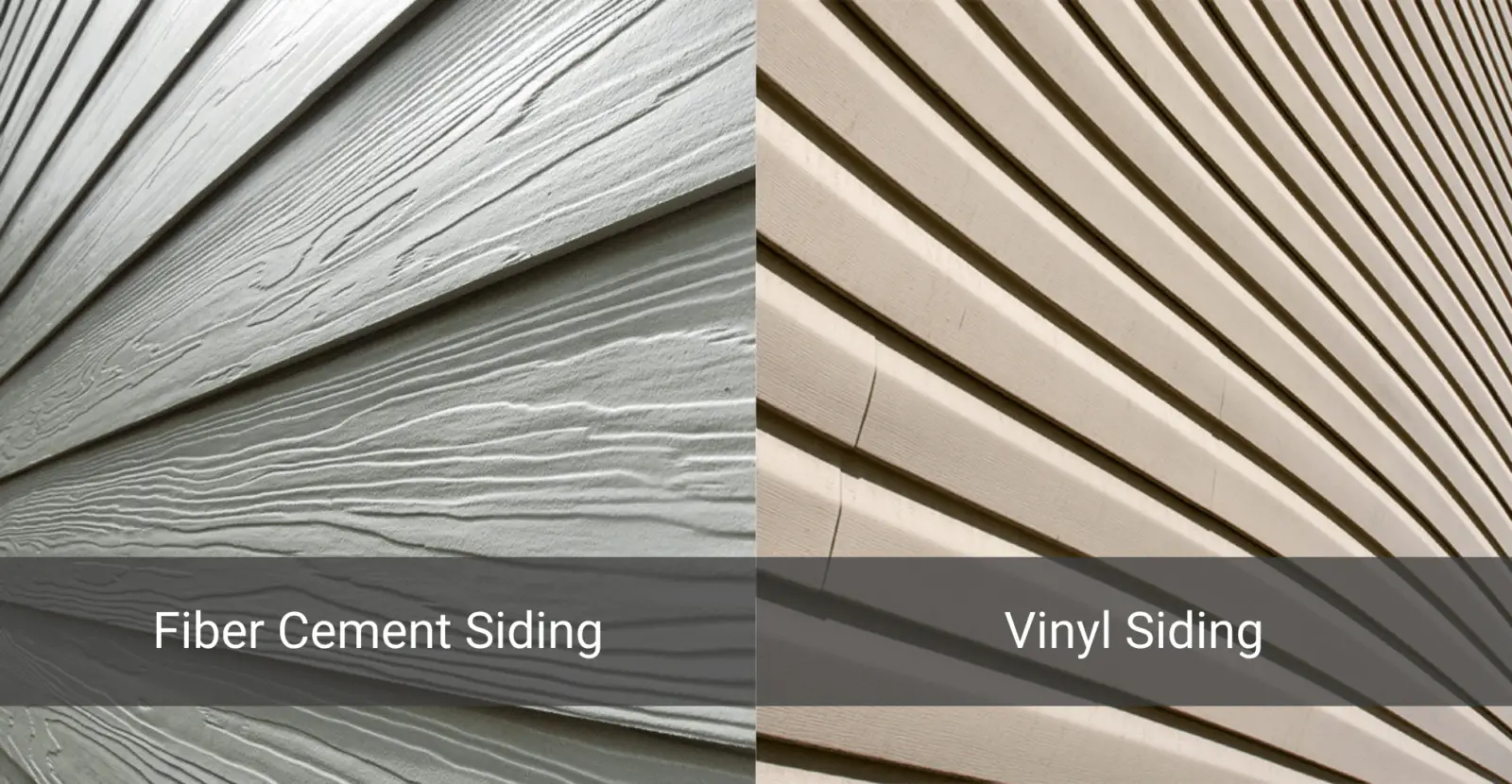
Vinyl siding is made from PVC plastic. It’s lightweight, affordable, and widely used across Canada.

It’s often the first choice for homeowners on a budget.

If you’re exploring options, you can check your local vinyl siding installation services to understand pricing and styles better.

What Is Fiber Cement Siding?

Fiber cement siding (like Hardie board) is made from a mix of cement, sand, and cellulose fibers.

It’s heavier. Stronger. And built to handle tougher conditions.

Many homeowners consider it a premium option, especially in wet climates like Vancouver.

1. Durability: Which One Lasts Longer?

This is where fiber cement clearly stands out.

Vinyl siding:

  • Can crack in cold weather
  • Can warp under heat
  • More vulnerable to impact

Fiber cement:

  • Highly resistant to weather
  • Doesn’t rot or warp easily
  • Handles moisture much better

In Vancouver, durability matters more than anything.

If you want something long-term, fiber cement is the safer choice.

2. Moisture Resistance (Very Important in BC)

This is the biggest factor most people underestimate.

Vinyl siding is not waterproof. Water can get behind it if it’s not installed properly. Over time, that can lead to mold or rot.

Fiber cement performs better here. It resists moisture and works well with rainscreen systems.

If you’re planning a full exterior upgrade, pairing it with a rainscreen siding system is a smart move.

In a rainy city like Vancouver, fiber cement wins this round easily.

3. Cost Comparison

Let’s talk numbers.

Vinyl siding:

  • Lower upfront cost
  • Faster installation
  • Budget-friendly

Fiber cement:

  • Higher material cost
  • More labor-intensive
  • Higher installation cost

But here’s the real story.

Vinyl is cheaper today. Fiber cement is cheaper over time.

Why?

Because you’ll likely spend more on repairs and maintenance with vinyl.

If budget is tight, vinyl works. But if you’re thinking long-term, fiber cement gives better value.

4. Appearance and Curb Appeal

This depends on your personal taste.

Vinyl siding:

  • Comes in many colors
  • Looks clean but slightly “plastic”
  • Can fade over time

Fiber cement:

  • Looks more like real wood
  • Premium appearance
  • Holds paint better

If curb appeal matters to you, fiber cement has a more high-end finish.

Many homeowners combine it with modern exterior upgrades to boost property value.

5. Maintenance Requirements

No one wants high maintenance. Let’s be real.

Vinyl siding:

  • Easy to clean
  • Needs occasional washing
  • Can get damaged easily

Fiber cement:

  • Needs repainting after years
  • Very durable overall
  • Less frequent repairs

Vinyl is easier day-to-day. But fiber cement is more reliable long-term.

6. Installation Complexity

Installation plays a huge role in performance.

Vinyl siding:

  • Easier and quicker to install
  • More contractors available
  • Lower labor cost

Fiber cement:

  • Requires skilled professionals
  • Heavier material
  • More precise installation

If installed poorly, even the best siding will fail.

That’s why choosing the right contractor matters. You can explore experienced siding installation services in Vancouver to ensure proper work.

7. Energy Efficiency

Neither material is perfect on its own.

But:

Vinyl siding:

  • Can include insulation backing
  • Helps improve energy efficiency

Fiber cement:

  • Not naturally insulating
  • Works well with added insulation systems

For better efficiency, the whole wall system matters, not just siding.

8. Fire Resistance

This is often overlooked.

Vinyl siding:

  • Can melt under high heat

Fiber cement:

  • Fire-resistant
  • Safer option in fire-prone areas

If safety is a concern, fiber cement is a better choice.

9. Lifespan

Let’s keep it simple.

Vinyl siding:
  20–30 years (with maintenance)

Fiber cement:
30–50+ years (proper installation)

This alone explains why many homeowners upgrade to fiber cement.

So, Which Is Better for Vancouver Homes?

Here’s the honest answer.

Choose vinyl siding if:

  • You’re on a tight budget
  • You need a quick upgrade
  • You want low upfront cost

Choose fiber cement siding if:

  • You want long-term durability
  • You care about moisture protection
  • You’re planning to stay in your home for years

Final Thoughts

There’s no “one-size-fits-all” answer. But in Vancouver’s climate, fiber cement has a clear edge.

It handles moisture better. It lasts longer. And it gives a more premium finish.

That said, vinyl siding still works well when installed properly and maintained.

If you’re unsure, the best step is to talk to professionals and compare options based on your home.

You can also explore:

  • metal siding options for even more durability
  • soffit and fascia upgrades to improve ventilation and protection

Top 7 Signs Your Home Needs New Siding

Most homeowners don’t think about their siding… until something goes wrong.

The problem is, by the time you notice damage, it’s often already serious.

In a place like Vancouver, where rain and moisture are constant, siding doesn’t just protect your home. It keeps it alive.

So how do you know when it’s time to replace it?

Here are 7 clear signs your home might need new siding.

1. Cracks, Warping, or Visible Damage

Let’s start with the obvious one.

If you see:

  • Cracks
  • Warped panels
  • Holes or dents

Your siding is already failing.

Small damage might not seem like a big deal. But it allows water to get inside. And once moisture gets in, things escalate quickly.

Vinyl siding, in particular, can crack in cold weather or warp under heat.

If the damage is spread across multiple areas, repair won’t be enough. You’ll likely need a full replacement.

This is where upgrading to a more durable option like fiber cement siding can make a big difference.

2. Mold, Mildew, or Fungus Growth

Take a walk around your house and look closely.

Do you see:

  • Green patches
  • Black stains
  • Fuzzy growth near seams

That’s not just dirt.

It’s a sign that moisture is trapped behind your siding.

In Vancouver’s climate, this is very common. But it’s also dangerous.

Mold doesn’t just damage your exterior. It can affect indoor air quality too.

If cleaning doesn’t solve the issue, your siding system may be failing.

In many cases, adding a proper rainscreen system during replacement helps prevent this long-term.

3. Rising Energy Bills

This one surprises a lot of homeowners.

If your heating bills are going up, your siding could be part of the problem.

Old or damaged siding loses its ability to insulate your home.

Air leaks in. Warm air escapes. And your system works harder to keep up.

You might not see the damage. But you’ll feel it on your energy bill.

Replacing siding, especially with insulated options, can improve efficiency significantly.

If you’re planning a project, consider combining it with a full siding installation upgrade for better performance.

4. Peeling Paint or Fading Color

Paint shouldn’t peel after just a few years.

If your siding:

  • Needs repainting often
  • Looks faded or worn
  • Loses color unevenly

It’s a sign the material underneath is weakening.

Good siding should hold its appearance for years.

Constant repainting is not just annoying. It’s expensive.

Fiber cement siding, for example, holds paint much longer than traditional materials.

So instead of repainting every few years, you invest once and move on.

5. Rotting or Soft Spots

This is a serious red flag.

If you press on your siding and it feels:

  • Soft
  • Spongy
  • Weak

You’re likely dealing with rot.

This happens when water gets trapped and sits behind the siding over time.

Wood siding is especially vulnerable. But other materials can be affected too if moisture builds up.

At this point, it’s not just about appearance.

Rot can spread into your home’s structure.

And once that happens, repair costs go way up.

Replacing your siding early can prevent much bigger problems later.

6. Frequent Repairs

Be honest.

How often are you fixing your siding?

If it feels like:

  • A new crack every season
  • Constant patchwork
  • Repeated small fixes

You’re probably spending more on repairs than you should.

At some point, repairing stops making sense.

Replacing your siding might seem expensive upfront. But it saves money long-term.

Plus, you get peace of mind knowing your home is protected.

If you’re considering options, looking into durable materials like metal siding solutions can reduce future maintenance.

7. Interior Wall Damage

This is the sign most people ignore.

Look inside your home.

Do you notice:

  • Peeling paint
  • Water stains
  • Bubbling walls

These are often caused by moisture getting through your siding.

By the time you see interior damage, the problem has already gone deep.

This is why siding is more than just an exterior feature.

It’s part of your home’s protection system.

Ignoring this can lead to mold, insulation damage, and even structural issues.

Should You Repair or Replace?

Not every issue means full replacement.

Here’s a simple way to decide:

👉 Repair if:

  • Damage is small and isolated
  • Siding is still relatively new
  • No moisture issues

👉 Replace if:

  • Damage is widespread
  • You see mold or rot
  • Repairs keep happening

In Vancouver’s climate, replacing early is often the smarter choice.

Why Timing Matters

Waiting too long can cost you more.

What starts as a small crack can turn into:

  • Water damage
  • Mold growth
  • Structural repairs

And those costs add up fast.

If you’re already seeing 2–3 of these signs, it’s time to seriously consider replacement.

Final Thoughts

Your siding does more than make your home look good.

It protects everything inside.

In a city like Vancouver, where moisture is always present, strong siding is not optional. It’s essential.

If your home is showing these signs, don’t ignore them.

The sooner you act, the more you save.

Comparing Vinyl vs Fiber Cement Siding

At Affordable Siding, we prioritize delivering detailed and transparent answers, especially when addressing the ongoing debate between vinyl and fiber cement siding options, to help our clients make informed decisions. 

Cost

  • Vinyl siding is generally more affordable upfront compared to fiber cement, making it a popular budget-friendly choice. 
  • Fiber cement tends to have a higher initial cost but might be more cost-effective in the long run due to its durability and lower maintenance needs. 

Maintenance: 

  • Vinyl siding requires minimal maintenance, usually just needing occasional cleaning with soap and water. However, it might be prone to cracking, fading, or warping over time. 
  • Fiber cement siding also requires minimal maintenance and is highly resistant to rot, fire, insects, and harsh weather conditions. It’s less prone to cracking or fading compared to vinyl. 

Durability: 

  • Vinyl siding is resistant to rot, insect damage, and moisture but may be more susceptible to damage from extreme weather conditions. 
  • Fiber cement siding is highly durable and can withstand extreme weather conditions well. It’s a robust material that maintains its appearance over time. 

Appearance: 

  • Vinyl siding comes in various colors and styles, but it may lack the authentic look of wood or other materials. 
  • Fiber cement siding offers a more natural appearance, often resembling wood siding. It can be painted in various colors and textured to mimic wood grains, providing a more authentic aesthetic. 

Installation: 

  • Vinyl: Generally easier and quicker to install due to its lightweight nature. It might require less labor and specialized equipment. 
  • Fiber Cement: Requires more expertise and specialized tools due to its heavier weight and composition. Professional installation is often recommended. 

Environmental Impact: 

  • Vinyl: Production involves PVC (polyvinyl chloride), which raises environmental concerns due to its manufacturing process and potential for off-gassing. It’s not biodegradable and can be challenging to recycle. 
  • Fiber Cement: Contains cement, sand, and cellulose fibers. While it’s durable and less prone to replacement, its production involves energy-intensive processes. 

Insulation and Energy Efficiency: 

  • Vinyl: Offers some insulation but might not be as effective at insulating compared to fiber cement. 
  • Fiber Cement: Generally has better insulating properties than vinyl, potentially contributing to better energy efficiency in the home. 

Resale Value: 

  • Vinyl: While it’s a popular and cost-effective choice, some homeowners might perceive fiber cement as a higher-quality material, potentially impacting resale value. 
  • Fiber Cement: Its durability and upscale appearance could contribute positively to the perceived value of the home during resale. 

Longevity and Maintenance over Time: 

  • Vinyl: Might require periodic cleaning and can be susceptible to damage from impact or extreme temperatures. It may need replacement sooner than fiber cement. 
  • Fiber Cement: Requires less maintenance overall and tends to withstand harsh weather conditions and impact better than vinyl. It’s more durable and typically lasts longer without significant deterioration. 

In contemplating siding choices such as vinyl or fiber cement suitable for Vancouver’s climate, Affordable Siding emphasizes several considerations. Vinyl siding’s durability and moisture resistance can be advantageous in the city’s rainy weather, while fiber cement offers robustness albeit with higher maintenance needs. Luckyland slots apk download for android offers streamlined access to diverse gaming platforms, delivering optimized play on various devices. Players seeking exceptional transaction security will find the best interac casino delivers unparalleled precision in payment processing, enhancing trust and reliability. Determining between the two options often relies on individual preferences, budget constraints, and the desired visual appeal for your Vancouver home—a decisionAffordable Siding is well-equipped to guide you through. 

Vancouver’s Weather Warriors: How Expert Siding Contractors Fortify Your Home

In the multifaceted climate of Vancouver, Affordable Siding stands firm on the crucial role of sturdy, precisely installed siding. When it comes to fortifying your home against diverse weather conditions, ensuring enduring quality, and elevating its visual allure, the proficiency and guidance of a professional siding contractor like Affordable Siding are unparalleled.

Best Fascia Installation services in Lower Mainland, BC Canada

Best Fascia Installation services in Lower Mainland, BC Canada

Fascia Installation services

Introduction

Are you looking to improve the exterior of your home? One area that often gets overlooked is fascia installation. Fascia boards not only add aesthetic appeal, but they also protect your roof and foundation from water damage. However, finding a reliable installer can be a challenge. That’s why we’ve put together this guide on the best fascia installation services in Lower Mainland. From vinyl soffit to Siding Installation, we’ll cover everything you need to know about fascia installation and help you find the perfect contractor for your needs. So let’s dive in!

What is Fascia?

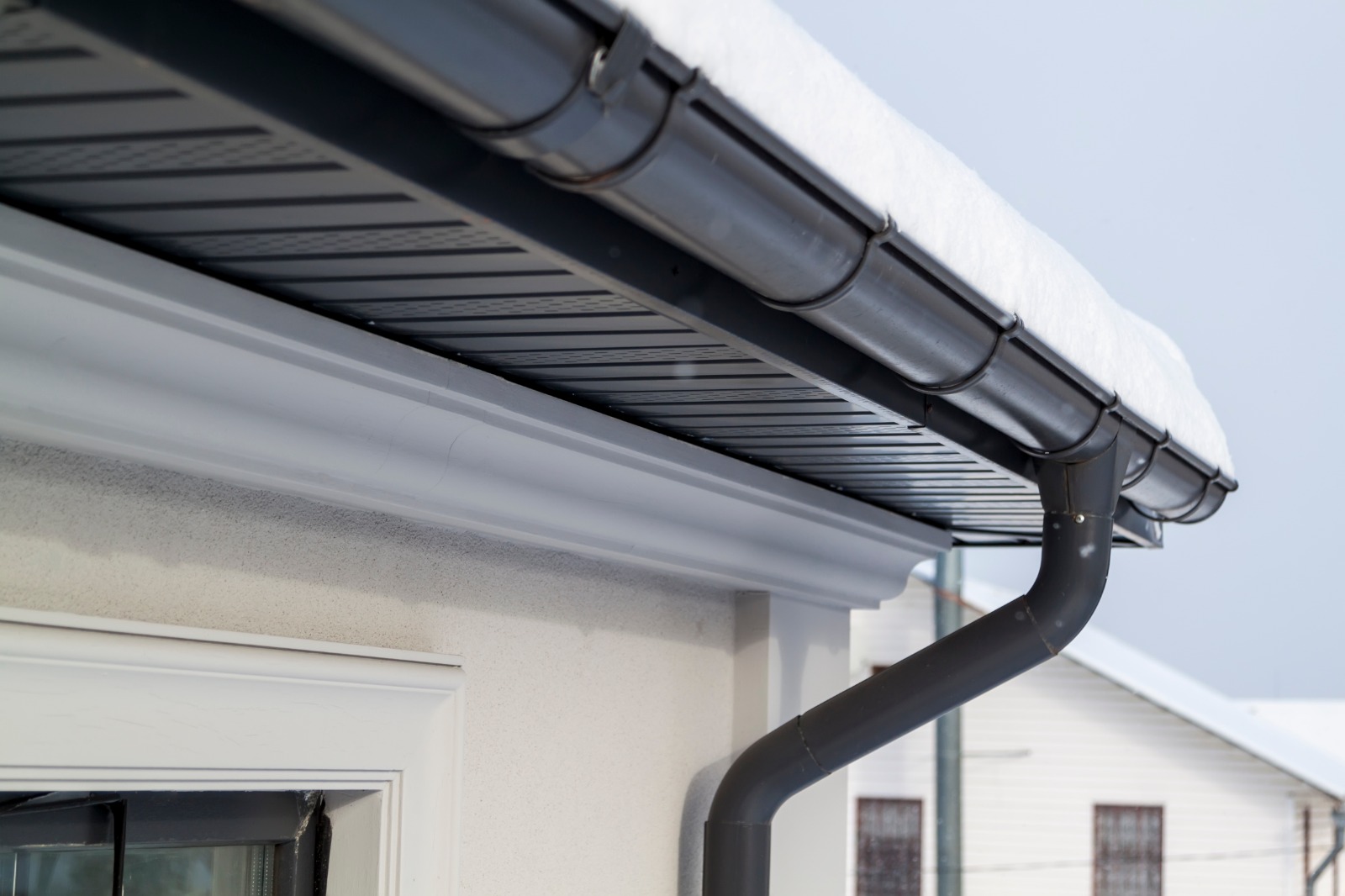
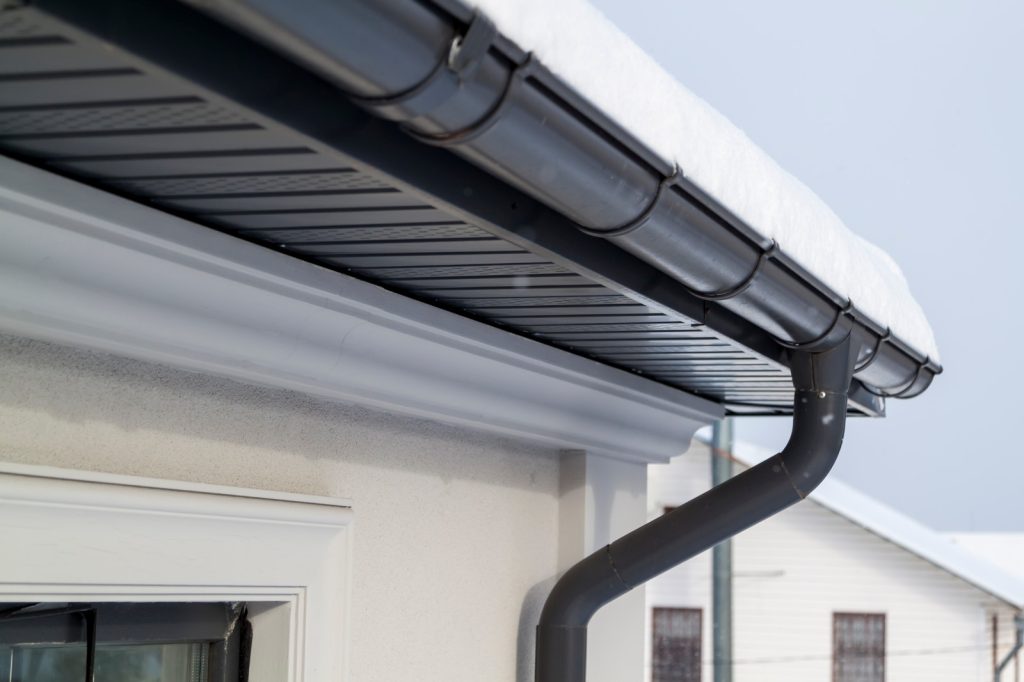
Fascia is a vital component of any house exterior renovations. It is the board that runs along the roofline, where gutters are attached. This essential part of a home’s structure protects it from water damage and pest infiltration while giving your home an aesthetic appeal.

Fascia boards come in different materials such as aluminum, vinyl, or wood. Each material has its advantages and disadvantages depending on the homeowner’s preference.

The primary function of fascia installation is to protect your home from severe weather conditions like heavy rain or snow by channeling water away from the foundation. It also helps prevent mold growth by keeping moisture at bay.

Without proper installation or maintenance, fascias can decay over time due to rotting or pests infestation which could lead to costly repairs for homeowners.

In summary, fascia plays an integral role in protecting a home’s structure against environmental elements and pest invasion while adding visual appeal to homes’ exteriors.

The Different Types of Fascia

Fascia is an essential part of any home’s exterior as it protects the roof and walls from water damage. However, there are various types of fascia to choose from, each with its own unique features and benefits.

The first type of fascia is wood. Wood fascia adds a timeless look to your home’s exterior but requires regular maintenance due to its vulnerability to rotting and insect infestation.

Next up is aluminum fascia which offers excellent durability against harsh weather conditions, resistance against rusting and corrosion, making it a popular choice among homeowners.

Vinyl Fascia happens to be economical considering its low cost price tag compared with other materials used for building facades. It requires little or no maintenance after installation while retaining great quality over time.

Composite material fascias offer the best of both worlds – the beauty of wood without the high maintenance requirements. Composite materials have better moisture-resistance than natural wood while having long-lasting durability in adverse weather conditions like rainstorm or snowfall.

Regardless of which type you choose for your property’s facade renovation project – consider hiring expert professionals who specialize in providing premium-quality installation services that will last longer than expected!

Pros and Cons of Fascia Installation

Fascia installation is an important process that helps to protect your home’s exterior by covering the ends of your roof rafters. Although it offers numerous benefits, there are also some drawbacks you need to consider.

One of the advantages of fascia installation is its ability to prevent water damage and keep pests away from the roof structure. It also provides a more polished look for your home and can increase curb appeal.

However, like any other home improvement project, fascia installation has its downsides. One disadvantage is that it can be quite costly depending on the material used and size of your property. Additionally, improper installation or low-quality materials may lead to rotting or warping in the long run.

Another con is that it requires maintenance over time as dirt and debris can accumulate on top of it which could cause damage if left unchecked.

Therefore, before embarking on a fascia installation project, weigh these pros and cons carefully while considering the longevity you desire for your investment.

Best Fascia Installation Services in Lower Mainland

When it comes to installing fascia in your home, you want a team of professionals who can provide quality workmanship and exceptional service. In Lower Mainland, there are many companies that offer fascia installation services; however, not all of them are created equal.

One company that stands out is Affordable Siding. Their team has years of experience in the industry and provides high-quality installations using top-of-the-line materials. They specialize in exterior renovations such as Siding Installation, Rainscreen, Fascia board, Vinyl soffit, and rot repair as well.

Conclusion

To conclude, the installation of fascia boards is an important aspect of any home renovation project. It not only enhances the aesthetic appeal but also protects your roof and walls from moisture damage. With this guide on the best fascia installation services in Lower Mainland, you won’t have to worry about finding a reliable contractor.

Make sure to consider factors like experience, expertise, and customer reviews when choosing a service provider for your fascia board installation needs. Whether you need Siding Installation or Soffit installation services along with fascia installation, these companies are well-equipped to handle all kinds of exterior siding renovations.

Don’t hesitate to reach out to them today for more information!